
Conventional search results are no longer the only game in town for modern businesses. Users now turn to Large Language Models for immediate, synthesized answers rather than clicking through blue links. This shift requires a fundamental change in how digital content is structured for visibility.
Achieving visibility within these neural networks isn’t about traditional keyword stuffing or backlink profiles. It’s about becoming the definitive source of truth that an algorithm trusts. Ranking on ChatGPT requires a fundamental shift in strategy: why settle for a simple click when a brand can become the answer a user receives during a conversation?
Why Traditional SEO Strategies Fall Short in the Age of Generative AI?
Traditional search engines rely on indexing pages based on proximity and relevance. While those factors still matter, AI engines operate on a different logic entirely. These systems look for patterns, semantic relationships, and the ability to summarize complex information into a single, cohesive response. If a website focuses solely on high-volume keywords without providing clear, direct answers, it risks being ignored by the scrapers that feed these models.
The goal has shifted from being a destination to being the information itself. Is your current strategy built for a user who never visits your site? Consider the way a legal professional explains a case to a client: they don’t just list statutes; they provide context and a clear path forward. AI engines behave in a similar manner, seeking out content that offers this level of synthesis.
Successfully Ranking on ChatGPT means your brand must provide that same legal-grade clarity. It’s no longer enough to host a library of facts; you must become the expert voice that the model trusts to synthesize those facts into a coherent, actionable answer.
What Makes Content Authoritative for Large Language Model Training Sets?
Authority in the digital realm used to be measured by the quantity of links pointing to a domain. Now, the metric is moving toward informational density and the ability of a source to satisfy a query without requiring further research. These engines prefer content that is easy to parse, verify, and integrate into a larger narrative. When an AI model processes a website, it looks for clear signals that indicate the text is reliable and backed by evidence.
This process involves looking at how data is organized and whether the claims made are supported by the broader consensus of the internet. By focusing on the structural integrity of the message, a brand ensures it remains a primary source for generative responses. The following sections outline the specific technical and editorial requirements for achieving this level of trust within a digital ecosystem. Here is a detailed look at the fundamental elements required for this transformation:
The Role of Structured Data and Schema Markup
Search engines and AI models alike rely on structured data to understand the context of a page. By implementing comprehensive schema markup, a site provides a clear roadmap for algorithms to follow. This technical layer acts as a translator, turning human prose into machine-readable data points that define relationships between concepts.
When an engine can instantly identify the price of a service or the steps in a process, it is more likely to feature that information in a synthesized answer. Clarity in the backend architecture is just as important as the quality of the writing on the front end. By ensuring that your site’s code explicitly labels data points such as pricing, FAQs, and author credentials you significantly increase your chances of ranking on ChatGPT. This technical transparency allows the model to bypass the guessing phase and move straight to recommending your brand as a definitive solution.
Maintaining Verifiable Accuracy and Citations
Models are increasingly programmed to avoid spreading misinformation, which means they prioritize sources with high factual accuracy. Providing clear citations and linking to reputable data sets builds a foundation of trust that is hard to ignore. Think of it as a peer review process for the entire web.
If the information provided matches the consensus found in academic papers or government reports, the engine views the content as a safe bet for a user query. Avoiding sensationalism and sticking to verifiable facts is the most effective way to ensure a brand remains a go-to resource for AI platforms consistently.
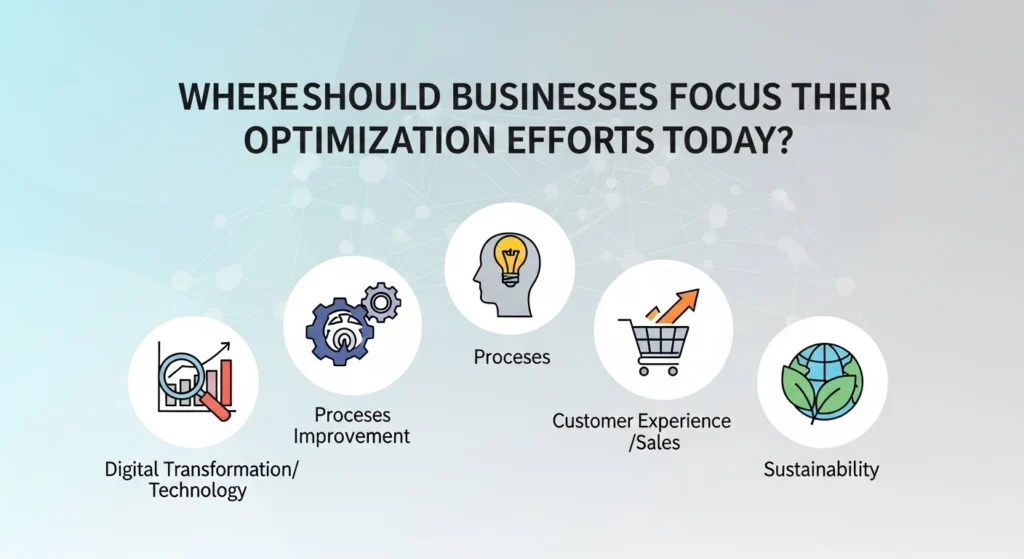
Where Should Businesses Focus Their Optimization Efforts Today?
Success in the new digital environment requires a shift in focus from broad visibility to high-quality relevance. It is no longer enough to be seen; a brand must be the most useful option available to the algorithm at any given moment. This involves a two-pronged approach that balances technical optimization with strategic brand positioning. By identifying the specific niches where a business holds the most expertise a key factor for ranking on ChatGPT content creators can build a moat of authority that is difficult for competitors to breach.
This strategy involves looking beyond the website itself and considering how the brand is perceived across the entire web. The engines are looking for a consensus, and building that consensus requires a consistent presence across multiple platforms and formats. By aligning the content strategy with the specific ways these models learn and grow, a company can secure its place in the future of digital discovery. These specific areas yield the most significant results:
Optimizing for Natural Language Queries
Writing for AI means writing for the way people talk. Long-tail keywords have evolved into full sentences and complex questions. Content that uses a question-and-answer format naturally aligns with the way these models process information. By including a clear summary at the beginning of an article or using descriptive headings that answer common industry questions, a site becomes a gold mine for generative engines. Ultimately, focusing on high-intent, conversational data is the most effective strategy for ranking on ChatGPT, as it mirrors the natural dialogue users expect from AI.
This approach does not mean sacrificing professional tone; it simply means being more direct and purposeful with the language used. Clarity is the currency in a world where speed of information is paramount.
Building Brand Authority Through Third-Party Validation
AI models do not just look at a single website to determine authority; they scan the entire web for mentions and reviews. Positive coverage in industry publications and active profiles on professional networks serve as signals of trust. This external validation confirms to the engine that the brand is a recognized expert in its field.
It is a digital version of word-of-mouth marketing that carries significant weight in the ranking process. Ensuring that a brand is consistently represented across high-authority platforms is essential for maintaining a strong presence in the results generated by these advanced systems.
How Does An AEO Service Simplify the Transition to AI Optimization?
Adapting to the requirements of Answer Engine Optimization (ranking on ChatGPT) can be a complex task for even the most experienced marketing teams. This is where a dedicated AEO service becomes indispensable, providing the technical oversight needed to ensure a site meets the high standards of generative models. These services focus on the nuances of semantic search, helping to structure information in a way that AI scrapers can easily digest and prioritize.
By leveraging advanced tools and industry insights, a professional service can identify the specific gaps in a content strategy that might be preventing an organization from appearing in conversational results. One common misconception is that AI engines only pull from the most recently updated websites. In reality, these models prioritize established authority and consensus over the mere date of publication.
A dedicated AEO plugin can help manage this by ensuring that evergreen content remains technically sound and properly tagged for ongoing discovery. These tools automate the addition of complex schemas and maintain the integrity of data across the entire domain. By streamlining technical health and structured data, these tools simplify the process of ranking on ChatGPT, ensuring long-term visibility and authority without the overhead of manual maintenance.
What are the Most Common Questions about AI Ranking?
Can AI plugins help with visibility on these engines? Specialized tools and plugins can streamline the process of adding structured data and optimizing content for conversational queries. These tools ensure that the technical requirements are met without requiring a deep investigation into coding. By automating the more repetitive aspects of optimization, businesses can focus on creating high-quality information that these engines crave for their users.
How long does it take to see results from AEO? The timeline for visibility within generative engines depends on the crawling frequency of the models and the existing authority of the domain. While traditional search results might fluctuate daily, AI engines often update their primary knowledge bases in cycles. By consistently providing high-quality, structured information, a brand can expect to see early traffic signals within 5 weeks. However, the true depth of ranking on ChatGPT where a brand becomes a consistently cited and trusted source typically requires a 3-to-6-month window as the model refreshes its understanding of specific industry niches.